A property needs more than strong walls, a reliable roof, and quality construction materials to remain in good condition. It also needs a drainage system that can manage rainwater and direct excess moisture away from important structures. Without proper planning, water can collect around buildings, enter unwanted areas, and gradually weaken different parts of the property. These problems may begin with minor puddles or damp patches, but they can develop into costly repairs over time. Drainage planning addresses how water moves across and beneath a property. It considers the land’s slope, soil conditions, rainfall patterns, building layout, and available drainage outlets. When these factors are assessed before construction or renovation, property owners can reduce water-related risks and protect their investment. A well-designed system also supports safer outdoor spaces and more dependable property maintenance.
Understanding How Water Moves Across the Property
Effective drainage begins with understanding the natural movement of water. Rainwater follows the slope of the land, collects in lower areas, and may enter the soil depending on its composition. If these conditions are overlooked, construction can unintentionally block natural water pathways or direct runoff toward buildings. A proper site assessment helps identify areas where water is likely to accumulate. Contractors and designers can examine ground elevation, existing drainage channels, soil absorption, and nearby structures. These details influence the placement and design of drains, pipes, and surface channels. The property’s surroundings also matter. Water from neighboring lots, roads, and higher ground may flow onto the site during heavy rainfall. Planning for these external sources helps prevent drainage systems from becoming overwhelmed. Understanding the site’s natural conditions provides a practical starting point for making reliable drainage decisions.
Preventing Water Accumulation Around Building Foundations
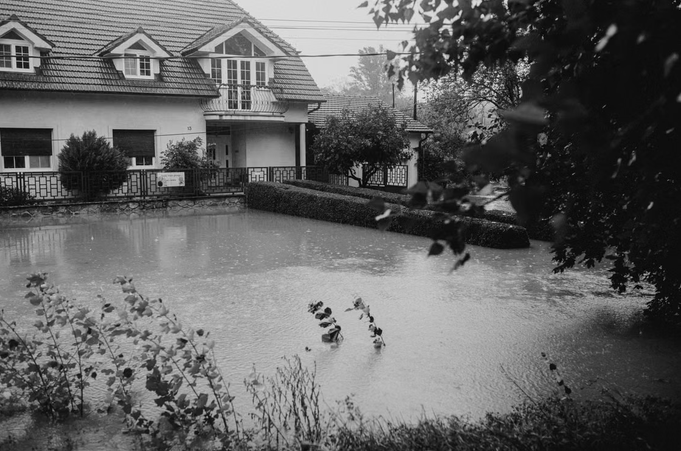
Standing water near a building can create problems that extend beyond the appearance of the property. When moisture remains around foundations, it may gradually enter small cracks or increase pressure against underground walls. Over time, persistent exposure can contribute to damp interiors, material deterioration, and structural concerns. Proper drainage helps move rainwater away from these vulnerable areas. Grading the ground so it slopes away from the building is one common approach. Gutters and downspouts also play an important role by collecting roof runoff and releasing it at suitable locations. Where necessary, underground drains can provide additional support. These measures are especially important for properties built on low-lying land or areas with poor soil drainage. Addressing water movement early can reduce the likelihood of foundation-related repairs and help preserve the building’s stability.
Protecting Landscaping and Outdoor Areas
Drainage planning also affects the condition and usability of outdoor spaces. Poor water management can leave gardens saturated, wash away topsoil, damage plants, and create muddy pathways. Repeated runoff may also expose tree roots or carry soil into driveways and nearby drainage channels. A suitable drainage layout helps distribute or redirect excess water without damaging the landscape. Depending on the property, solutions may include gravel channels, drainage trenches, permeable paving, or rain gardens. These features can manage runoff while maintaining the appearance and function of outdoor areas. The goal is not simply to remove water as quickly as possible. It is to control its movement in a way that protects plants, soil, walkways, and neighboring properties. Thoughtful planning makes outdoor spaces easier to maintain and more comfortable to use throughout the year.
Reducing the Risk of Erosion and Property Damage
Uncontrolled water flow can gradually change the shape and condition of the land. Fast-moving runoff may remove soil from slopes, weaken garden edges, and expose parts of the property’s foundation. On sites with uneven terrain, these effects can become more serious during periods of intense rainfall. Drainage systems help manage the volume and direction of surface water. Channels, catch basins, retaining structures, and properly designed outlets can reduce the force of runoff. However, each feature must suit the site’s conditions. A poorly positioned outlet may simply transfer the problem to another part of the property. It is also important to consider where discharged water will go. Drainage should not cause flooding, erosion, or inconvenience on adjacent land. Responsible planning protects the property while supporting better water management across the surrounding area.
Maintaining Drainage Systems for Reliable Performance
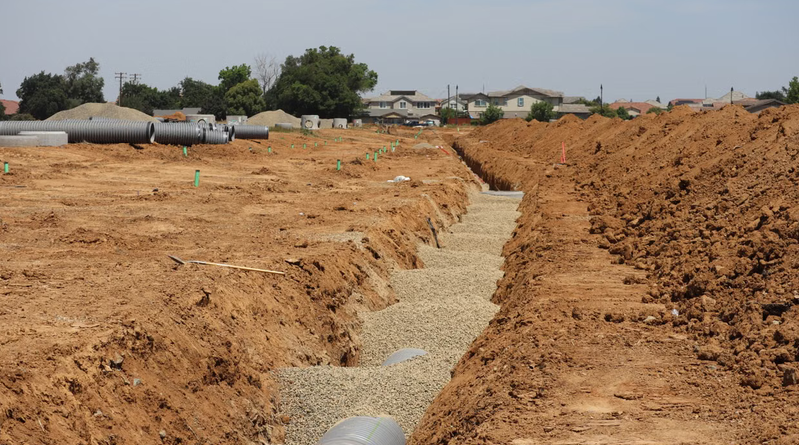
Even a well-designed drainage system requires regular attention. Leaves, soil, rubbish, and other debris can block gutters, drain openings, and underground pipes. When water cannot pass through these routes, it may overflow or collect in places where it can cause damage. Routine inspections help identify problems before they become expensive. Property owners should check gutters after storms, remove visible debris, and look for signs of standing water. They should also monitor unusual dampness, unpleasant odors, slow-draining areas, and soil movement around drainage outlets. Older properties may need occasional improvements as buildings, landscaping, and surrounding surfaces change. New paving or extensions can alter how rainwater moves across the site. Reviewing the drainage arrangement after major property changes helps maintain its effectiveness and prevents avoidable issues.
Incorporating Drainage Planning Into Property Development
Drainage should be considered during the earliest stages of property development rather than treated as a finishing detail. Including it in the initial design allows architects, engineers, and contractors to coordinate pipe routes, ground levels, foundations, and outdoor features. This can prevent conflicts between different construction elements and reduce the need for expensive adjustments later. Budget planning is equally important. Although drainage features add to initial construction costs, ignoring them may lead to greater expenses from water damage, repairs, and repeated maintenance. The right system depends on the property’s size, location, soil conditions, and exposure to rainfall. A professional assessment can help determine suitable solutions. Good planning also considers future needs. Property owners may add extensions, paved areas, or landscaping features over time. A drainage layout that accounts for possible changes can provide greater flexibility and lasting protection.
Proper drainage planning is an important part of responsible property development and maintenance. It helps protect foundations, preserve landscaping, control erosion, and reduce the risk of water-related damage. More importantly, it addresses potential problems before they affect the property’s condition and value. By understanding site conditions, choosing suitable drainage solutions, and maintaining the system regularly, property owners can support a safer and more durable environment for years to come.